
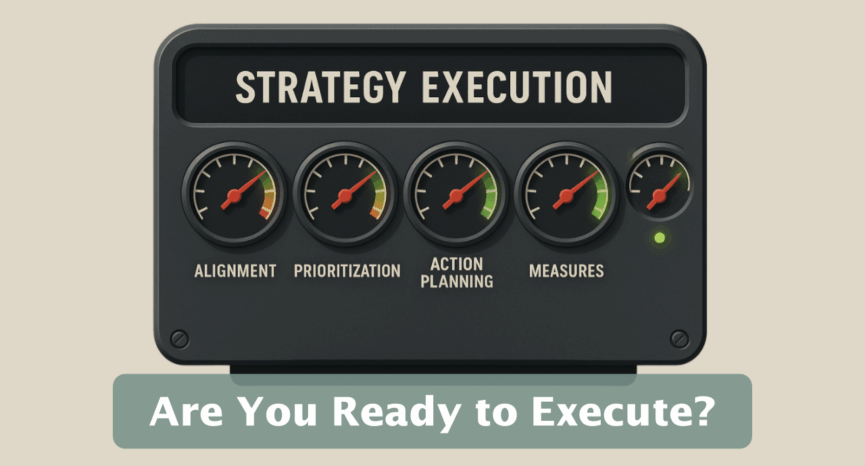
Are You Ready to Execute?
As leaders, setting a clear strategic direction is only half the battle. The real challenge lies in execution—turning vision into results. The difference between organizations that plan well and those that perform well lies in execution.
High-performing organizations do a number of things exceptionally well: they create alignment, prioritize ruthlessly, and seek involvement from the start.
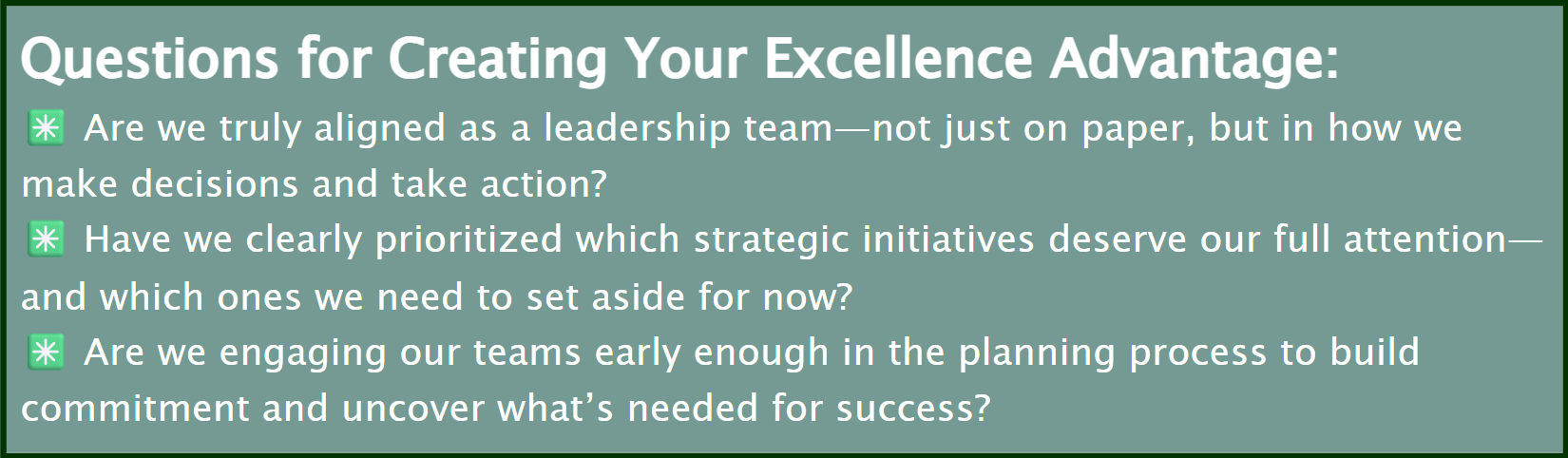
Alignment isn’t about consensus—it’s about shared understanding and commitment, first among senior leaders. Alignment doesn’t mean everyone thinks the same way—it means leadership teams share a deep understanding of their environment, challenge assumptions together, and commit to a shared path forward. Without this kind of true alignment, even the best-laid strategies often falter before they start.
Prioritization is equally critical. Too often, organizations attempt to do everything at once. Effective leaders make hard choices about what to pursue—and just as importantly, what not to pursue. Prioritization enables focused action. It ensures that resources—human, financial, and organizational—are concentrated where they’ll have the greatest impact. Clear priorities focus energy and enable real progress.
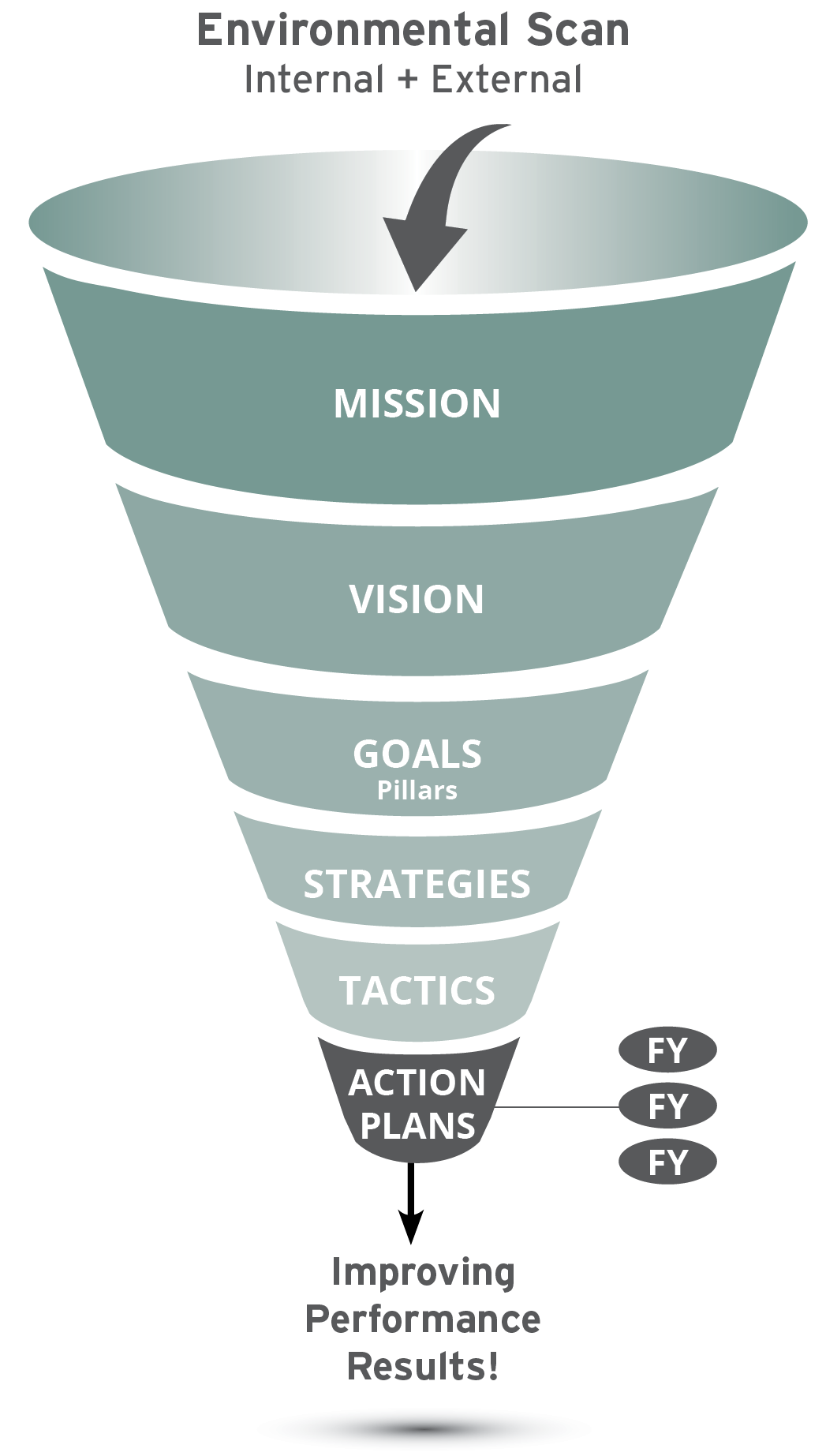
Action planning should be part of execution, not an afterthought to strategy. Bringing in key stakeholders early—especially those closest to implementation—helps identify barriers, refine solutions, and build broad-based buy-in. This doesn’t just reduce resistance later on; it accelerates momentum from day one. Execution is a team sport.
But even these practices aren’t enough without feedback. Strategic execution depends on real-time learning. High performing organizations build feedback loops into their leadership routines. They align performance measures to strategic goals and use them to guide conversations, assess progress, and course-correct as needed.
Strategic measures don’t just track outcomes—they become a hardwired communication system that reinforces what matters. Align your measurement systems to your goals so that data—not assumptions—drives your decisions. Routinely ask: Are we making progress? If not, why not?
Finally, high performers communicate intentionally and often. They don’t just announce plans—they create dialogue, use strategic goals as the framework for internal storytelling, and ensure that staff feel connected to the mission and their role in achieving it. Communication isn’t just a support tool—it’s the connective tissue that holds your strategy together across teams and time.
In short, strategy isn’t what’s written on paper. It’s what gets done. The organizations that thrive aren’t just good at setting direction—they’re relentless about following through. They build execution into their culture—using deliberate approaches.
If you’d like to receive these Inspirations in your inbox every other week, you can subscribe to Kathy’s Excellence Advantage Inspirations Newsletter.
Kathy Letendre, President and Founder of Letendre & Associates, advises organizations and leaders to create their excellence advantage.
Contact Kathy by phone or text at 802-779-4315 or via email.